DENAIR engineering decisions · Diagnostics and service evidence
HVAC Engineer · Certified HVAC Specialist · Manager at DENAIR, Dubai

Exposed fan coil unit during HVAC work at Marina Gate. DENAIR field record; this image documents the pictured equipment or work stage, not a verified result for another property.
Define which part of the drainage was reached
Ask the service scope to distinguish the pan, its outlet, any trap or pump fitted to that model, the accessible pipe route and the downstream building connection. An accessible inlet does not establish the condition of a concealed branch. Where a route cannot be traced, keep the unknown section visible in the report.
Record whether the complaint occurs during operation, after shutdown or at another time. A ceiling stain alone cannot identify its source. Water may arrive from a drainage fault, a cold surface or another service above the ceiling; the site investigation must separate them.
Make the test controlled and observable
The technician should use a method appropriate to the equipment and installation, with electrical isolation and protection arranged as required. Agree where water can safely be introduced, how discharge will be observed and what area must remain accessible. Occupiers should not pour water into powered equipment or dismantle concealed drains to reproduce the fault.
A test record should describe the method, result and limitations in plain language. For a pumped arrangement, pump operation and the destination of discharge need their own checks. For a gravity route, the actual installation and manufacturer's requirements matter; one universal trap size or slope assumption cannot replace inspection.
Keep the field evidence within its boundary
The DENAIR Burj Khalifa record includes drainage among the coordinated systems, alongside FCUs, ductwork and controls. One unit's unresolved actuator-power issue remained a separate workstream. That illustrates why a drainage check should not be merged with a claim that the complete HVAC system is accepted.
The accompanying Marina Gate photograph shows an exposed FCU during work. It documents access and equipment, not an observed drain-test discharge or a verified cure for a leak at another property.
What should happen after the unit returns to use?
Ask for a visible check of the serviced area and any agreed follow-up under normal operation. A short water test and extended cooling operation answer different questions. If a concealed section or intermittent fault was not tested, record what later access or operating condition is needed.
If water recurs, avoid contact with wet electrical fittings and arrange prompt assessment through the responsible building or service team. Share the exact location, timing and previous report. A repeat complaint should reopen the relevant finding rather than be treated automatically as another cleaning request.
Keep this evidence with the enquiry
Unit and drain-section identity.
Test method and observed discharge point.
Pan, pump or trap checks applicable to that model.
Untested route, result after return to use and follow-up owner.
Plan the appropriate next step
For the relevant service scope, review DENAIR deep ac cleaning. Compare the documented field record, the related problem assessment and the related practical guide before agreeing work for your property.
Discuss this scope on WhatsApp · Call DENAIR: +971 58 596 3441
Explore the relevant scope
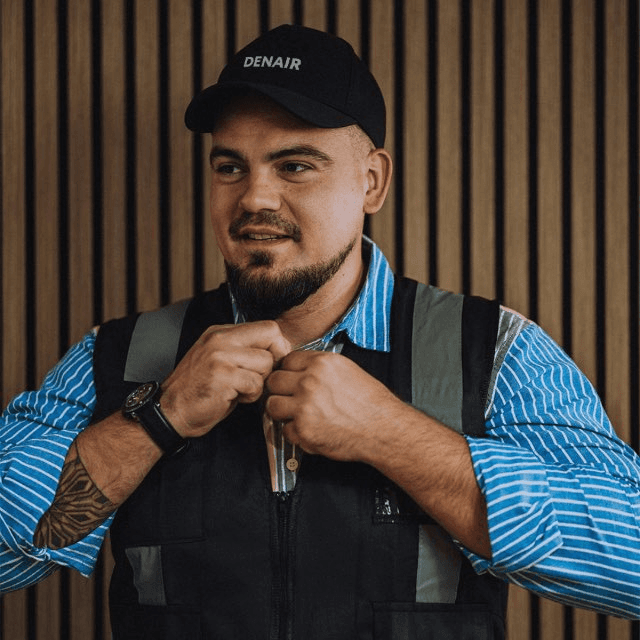
HVAC Engineer · Certified HVAC Specialist · Manager at DENAIR
16 years in HVAC
Denis is a hands-on HVAC engineer and certified HVAC specialist working with DENAIR in Dubai.
Share the equipment, the rooms affected, previous work and available access. DENAIR can assess the relevant scope.

HVAC repair, maintenance, installation and fresh-air work for Dubai properties.
DENAIR is operated by BAFOEV TECHNICAL SERVICES L.L.C. Dubai DET License No. 1118204.