DENAIR engineering decisions · Diagnostics and service evidence
HVAC Engineer · Certified HVAC Specialist · Manager at DENAIR, Dubai

HVAC duct branches in an open apartment ceiling. DENAIR field record; this image documents the pictured equipment or work stage, not a verified result for another property.
Map the inspection coverage
Use a room or branch reference for each inspected section. Distinguish supply ducts, return paths, plenums and connections rather than labelling every opening as the same air duct. Record the access point and how much of the route could actually be observed.
If an inspection method reaches only part of a branch, the result should say that. Access restrictions, changes in duct material and concealed junctions may limit coverage. A blank area on the inspection plan is a remaining question, not evidence that it is clean or undamaged.
Label what the image really establishes
Tie photographs to a location, direction and date where available. Separate visible deposits, a damaged connection, insulation condition and a suspected fault. A photograph alone may not establish material identity, the hidden side of a joint or the cause of a room complaint.
Avoid turning a visual observation into a laboratory conclusion about mould or a promise of complete remediation. If another assessment is required, name it as a separate scope. The useful output is a traceable finding, together with the limitations of the method used.
An exposed ceiling is an access opportunity
DENAIR's Burj Khalifa record shows FCU and ductwork coordination within a service ceiling. It documents access and physical interfaces alongside other systems. It does not certify cleanliness or condition of every concealed duct section.
The photograph here shows duct branches in an open apartment ceiling from DENAIR's field imagery. It illustrates why a branch-level map is practical while the ceiling is accessible. Once finishes close the route, a later inspection may need a different approved access arrangement.
Use coverage to define the quotation
Ask any cleaning or repair proposal to identify which findings support the work and which sections are included. If further access reveals another defect, there should be a clear approval and variation process. One local defect does not automatically justify replacement of the whole network.
The handback should preserve the original inspection references so later work can be matched to the same locations. Keep inaccessible sections and uncompleted checks in the record. This makes a follow-up inspection more useful and avoids repeating a broad visit without addressing the actual evidence gap.
Keep this evidence with the enquiry
Room, branch and supply/return identity.
Access point, inspection method and coverage limit.
Photo reference linked to an observed finding.
Included work, uninspected sections and approval dependencies.
Plan the appropriate next step
For the relevant service scope, review DENAIR ac duct cleaning dubai. Compare the documented field record, the related problem assessment and the related practical guide before agreeing work for your property.
Discuss this scope on WhatsApp · Call DENAIR: +971 58 596 3441
Explore the relevant scope
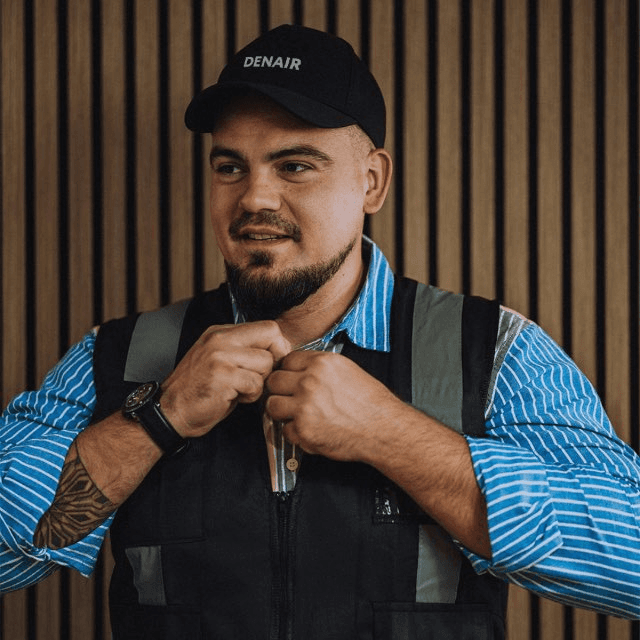
HVAC Engineer · Certified HVAC Specialist · Manager at DENAIR
16 years in HVAC
Denis is a hands-on HVAC engineer and certified HVAC specialist working with DENAIR in Dubai.
Share the equipment, the rooms affected, previous work and available access. DENAIR can assess the relevant scope.

HVAC repair, maintenance, installation and fresh-air work for Dubai properties.
DENAIR is operated by BAFOEV TECHNICAL SERVICES L.L.C. Dubai DET License No. 1118204.