DENAIR engineering decisions · Diagnostics and service evidence
HVAC Engineer · Certified HVAC Specialist · Manager at DENAIR, Dubai

Airflow meter at a grille on the cigar lounge ventilation system. DENAIR field record; this image documents the pictured equipment or work stage, not a verified result for another property.
Define the assessment question
A room that feels stuffy, a particle concern and an intermittent odour are different questions. Describe the room's use, occupancy pattern and timing of the concern. Agree which parameters the visit will measure and which questions require another method or specialist.
DENAIR's published pricing guide identifies an indoor air quality audit with CO₂ and PM2.5 scope. That named scope does not establish accredited laboratory testing, analysis of every pollutant or a medical diagnosis. The written quotation should explain the intended deliverable and its limitations.
Ask for conditions beside every reading
A useful record includes room identity, measurement location, time, device information and the HVAC operating state. Note occupancy, doors and windows, recent activities and relevant changes during the measurement. An outdoor comparison, if made, also needs its own location and time.
Ask whether the work is a spot assessment or repeated monitoring. A brief low-occupancy reading cannot automatically represent a busy meeting room later in the day. Equally, an isolated reading taken during an unusual activity should not be presented as the room's permanent condition.
Do not interchange airflow and pollutant evidence
The DENAIR showroom record includes a grille airflow measurement and a completed damper-actuator item. Those are useful ventilation-interface observations. They are not CO₂ or PM2.5 measurements and do not certify pollutant conditions throughout the premises.
The field photograph here shows an airflow instrument at a grille in the lounge record. It deliberately illustrates a different measurement task. A recognisable meter in a photo should never be used as generic proof that every requested air-quality parameter was measured.
Turn the survey into a bounded next decision
Ask the report to identify the observations, readings, operating limitations and questions that remain. A single parameter does not identify every possible source or prove that a proposed filter or fresh-air modification will resolve all concerns. Site assessment and relevant equipment information should guide the next scope.
Where follow-up monitoring is proposed, agree the rooms and operating periods needed for a useful comparison. If an installation change follows, define its own commissioning and reporting requirements. Request interpretation tied to the actual premises without inventing universal safe thresholds or guaranteed health outcomes.
Keep this evidence with the enquiry
Question, rooms and parameters agreed in writing.
Device, location, time and operating conditions recorded.
Spot reading versus monitoring period stated.
Airflow evidence kept separate from pollutant measurements.
Plan the appropriate next step
For the relevant service scope, review DENAIR air quality filtration. Compare the documented field record, the related problem assessment and the related practical guide before agreeing work for your property.
Discuss this scope on WhatsApp · Call DENAIR: +971 58 596 3441
Explore the relevant scope
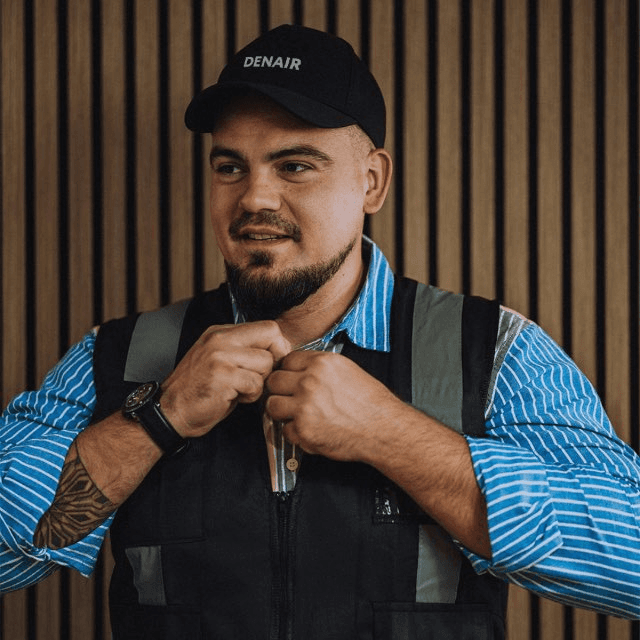
HVAC Engineer · Certified HVAC Specialist · Manager at DENAIR
16 years in HVAC
Denis is a hands-on HVAC engineer and certified HVAC specialist working with DENAIR in Dubai.
Share the equipment, the rooms affected, previous work and available access. DENAIR can assess the relevant scope.

HVAC repair, maintenance, installation and fresh-air work for Dubai properties.
DENAIR is operated by BAFOEV TECHNICAL SERVICES L.L.C. Dubai DET License No. 1118204.