DENAIR engineering decisions · Diagnostics and service evidence
HVAC Engineer · Certified HVAC Specialist · Manager at DENAIR, Dubai

Filter condition before maintenance at the cigar lounge. DENAIR field record; this image documents the pictured equipment or work stage, not a verified result for another property.
Preserve the fault before changing the state
Record the exact displayed alarm, unit identity, time and circumstances through the authorised operator. Note whether the unit stopped during start-up, a mode change or steady operation, and what other equipment was affected. Photograph only safely accessible displays and keep a record of any earlier intervention.
Do not open a live drive enclosure, bypass an interlock or repeatedly reset a tripping unit. The operating and electrical investigation belongs to appropriately qualified staff under the site's procedures. Where an alarm cannot be read safely, report that limitation rather than guessing its meaning.
Separate possible causes from tested findings
A drive, fan load, control command, electrical supply and air-path restriction are different parts of the investigation. The exact equipment, manufacturer information and site conditions determine the relevant tests. A visually dirty filter may justify inspection, but it does not independently prove why a particular drive tripped.
Ask the report to distinguish what was observed, what was measured, what remains a hypothesis and what action was authorised. If the unit restarts, note its operating state and any readings taken. Restart alone cannot close an untested cause.
The commercial lounge sequence
DENAIR's lounge record describes an air-handling unit stopped with a variable-speed drive error. The error was reset, the unit restarted and water and air readings were taken. Clogged filters remained a possible cause; later filter and strainer work and a lasting correction are not confirmed in the selected record.
The field photo documents the lounge filter condition before maintenance. It supports the air-path inspection context. It does not establish a drive fault code, a completed filter replacement or an improved air-quality result.
Define the follow-up before declaring completion
Keep a log of subsequent operation, repeated alarms and changes in conditions. Agree who monitors the unit and what triggers another visit. The observation period and checks should match the fault and the actual operating opportunity rather than an arbitrary universal duration.
If replacement of a drive or another component is proposed, request the finding supporting that choice, compatibility checks and the operating demonstration after installation. A useful handback can state that the unit restarted while leaving a cause investigation open; that is a precise result, not a failed report.
Keep this evidence with the enquiry
Unit identity, exact alarm and time.
Operating state and actions taken by authorised staff.
Measured findings separated from suspected causes.
Restart result, recurrence log and outstanding investigation.
Plan the appropriate next step
For the relevant service scope, review DENAIR ac repair diagnostics. Compare the documented field record, the related problem assessment and the related practical guide before agreeing work for your property.
Discuss this scope on WhatsApp · Call DENAIR: +971 58 596 3441
Explore the relevant scope
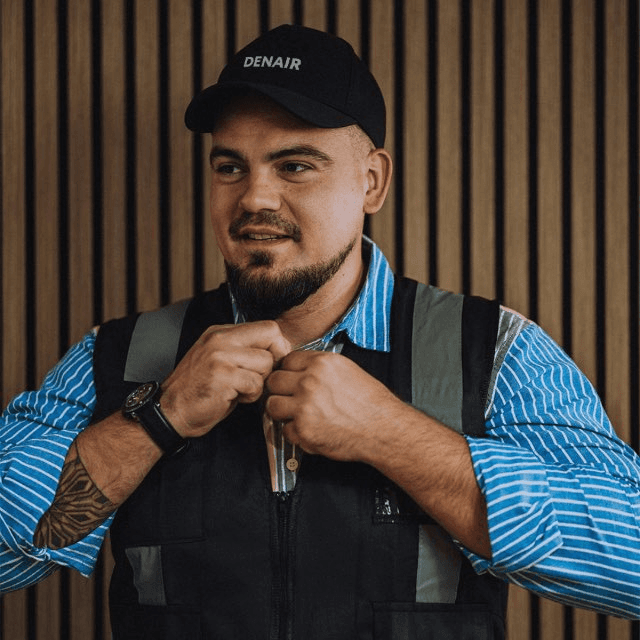
HVAC Engineer · Certified HVAC Specialist · Manager at DENAIR
16 years in HVAC
Denis is a hands-on HVAC engineer and certified HVAC specialist working with DENAIR in Dubai.
Share the equipment, the rooms affected, previous work and available access. DENAIR can assess the relevant scope.

HVAC repair, maintenance, installation and fresh-air work for Dubai properties.
DENAIR is operated by BAFOEV TECHNICAL SERVICES L.L.C. Dubai DET License No. 1118204.